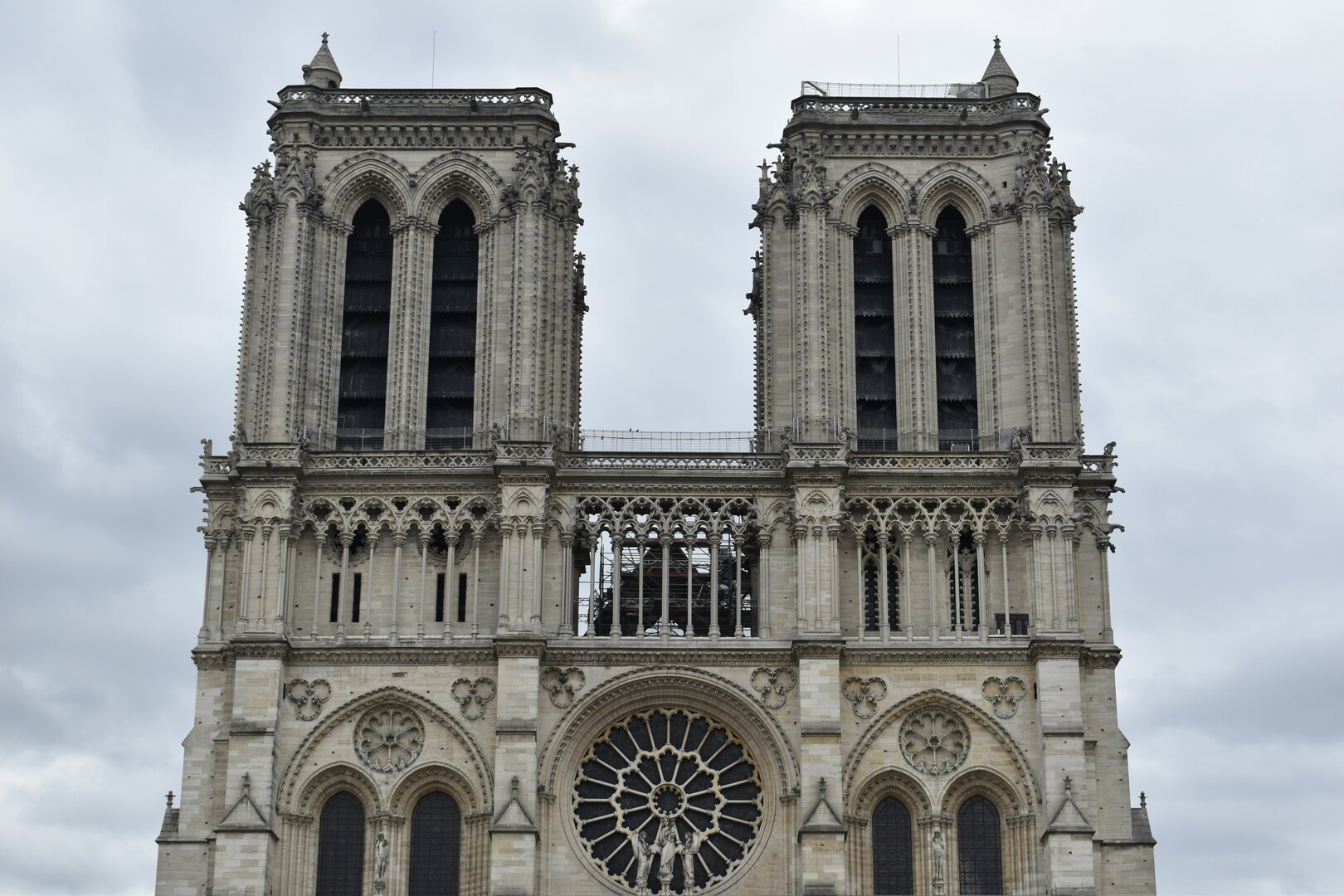
The Twin Towers of Notre-Dame

Notre-Dame's iconic twin towers rise 69 meters above Paris, housing legendary gargoyles, chimeras, and the great Emmanuel bell. These Gothic spires have defined the city's skyline for nearly 700 years — one of medieval architecture's most extraordinary achievements.

Height

69 Meters

Steps

387 Steps

Completed

1250 AD

Notre-Dame Twin Towers reaching skyward

Guardians of Gothic Paris

Notre-Dame's twin towers stand as eternal sentinels over Paris, their asymmetrical silhouette defining the city's skyline for nearly eight centuries. Rising 69 meters into the Parisian sky, these Gothic masterpieces represent the pinnacle of medieval engineering and spiritual ambition.

The South Tower houses the cathedral's great bell, Emmanuel, weighing 13 tons and cast in 1681. The North Tower served as the primary access point for visitors, leading them up 387 winding stone steps to encounter the famous gargoyles and chimeras that have fascinated generations.

Each tower took decades to complete, with master craftsmen perfecting every stone detail. The towers showcase the evolution of Gothic architecture, from the solid Romanesque foundations to the soaring pointed arches that seem to lift the very stones toward heaven.

Book a Guided Tour
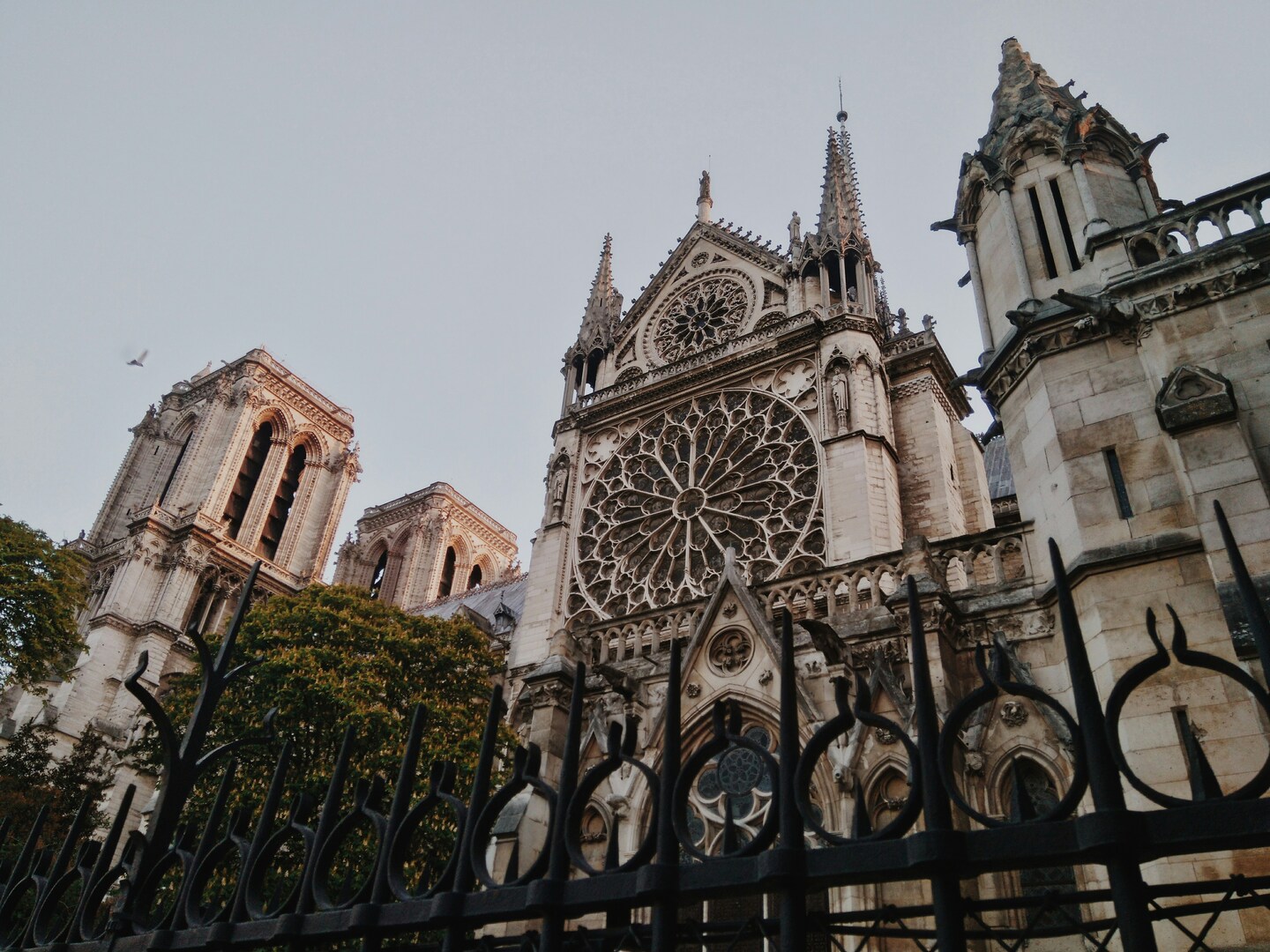
Notre-Dame Cathedral towers detail

The Towers' Gothic Marvels

Gargoyles & Chimeras

The famous stone creatures guarding Notre-Dame — including the iconic Stryga — were added by Viollet-le-Duc during 19th-century restorations. They serve as both sculptural masterpieces and functional water spouts.

Great Bell Emmanuel

Housed in the South Tower, the 13-ton Emmanuel bell was cast in 1681 and has marked pivotal moments in French history — from royal proclamations to Liberation celebrations and the 2024 reopening.

Tower Climb Status

The tower climb to the galerie des chimères is not currently available to visitors. The cathedral's interior, nave, chapels, and rose windows are fully open and free to enter since December 2024.

Medieval Craftsmanship

Witness the incredible stone masonry and architectural innovations that allowed these massive structures to soar skyward while maintaining perfect structural integrity.

Eight Centuries of Tower History

1163-1200 - Foundation & Rise: Construction begins on the twin towers as part of Bishop Maurice de Sully's grand cathedral vision, with master builders developing revolutionary Gothic techniques.

1250 - Gothic Completion: The towers reach their final height of 69 meters, crowned with temporary wooden spires that would later be removed, creating the distinctive flat-topped silhouette we know today.

1600s - Bell Installation: The great bell Emmanuel is cast and installed in the South Tower, requiring innovative engineering to support its massive 13-ton weight within the medieval stonework.

1800s - Restoration Glory: Viollet-le-Duc's restoration adds the famous chimeras and gargoyles we see today, creating new sculptures inspired by medieval tradition while preserving original stonework.

2019-2024 - Fire & Rebirth: The April 2019 fire destroyed the cathedral's spire but left the twin towers standing. After five years of extraordinary restoration, Notre-Dame reopened on December 7, 2024, with the towers' bells ringing out across Paris once more.

Visiting the Towers Today

Notre-Dame west facade with towers

Essential information for visiting Notre-Dame and experiencing the towers:

  • Tower climb status - The climb to the galerie des chimères (387 steps) is not currently open to visitors. Check the official Notre-Dame website for the latest updates on when tower access will resume.
  • Cathedral entry - The interior of Notre-Dame is open and free to all visitors since December 7, 2024. Queue at the main public entrance — typical wait is 15–30 minutes from April to October.
  • See the towers up close - A guided exterior tour is the best way to truly appreciate the towers, their gargoyles, flying buttresses, and Gothic stonework — all explained by a certified guide.
  • Best viewpoints - For the most dramatic views of the twin towers, visit the Pont de l'Archevêché (Archbishop's Bridge) or the left bank of the Seine along the Quai de Montebello.
  • Photography - Golden hour (late afternoon) provides the most dramatic lighting on the west facade and towers. Early morning offers soft light with fewer crowds.
  • Dress code - Shoulders must be covered and shorts or skirts at knee length for cathedral entry. This applies regardless of weather.
  • Religious services - The cathedral may close to tourists during services. Check the official schedule at notredamedeparis.fr before your visit.
Back to Top